Short Answer
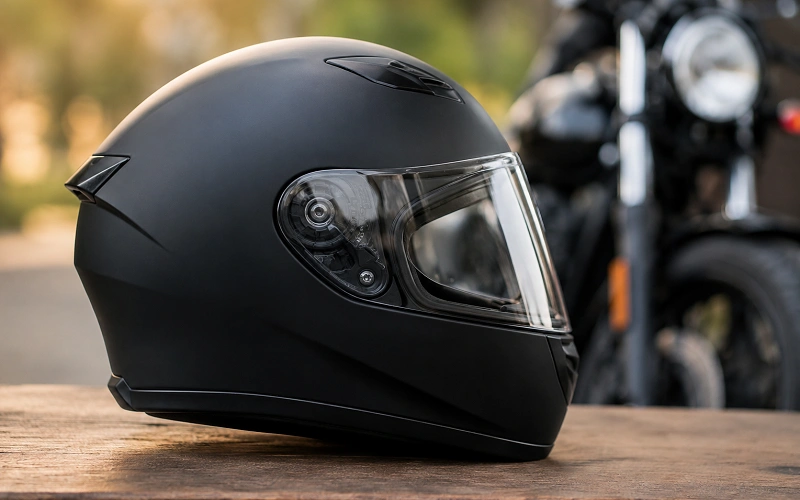
DOT approved motorcycle helmets are helmets that meet the U.S. Department of Transportation’s Federal Motor Vehicle Safety Standard for motorcycle helmet performance. Riders should check the DOT label, manufacturer information, helmet fit, chin strap, shell condition, and comfort before buying or wearing a helmet on the road.
Your Helmet Should Be Checked Before the Ride
A helmet is one of the most important pieces of motorcycle gear a rider can wear. It protects the head, improves confidence, reduces wind impact, and helps riders stay focused during the ride. But not every helmet that looks strong is actually built to meet proper road-use standards.
That is why riders should know how to check certification, fit, and safety labels before choosing one. A helmet should not be selected only by color, graphics, or price. The best helmet is the one that fits correctly, stays secure, feels comfortable, and carries the right certification details.
A good-looking helmet that fits poorly can become uncomfortable or unsafe. A certified helmet that is too loose may shift at speed. A helmet with missing or suspicious labels should be checked carefully before use.
What Does DOT Approved Mean?
DOT approval means the helmet is made to meet the U.S. Department of Transportation motorcycle helmet safety standard. In the United States, this standard is known as FMVSS 218.
The standard focuses on important helmet performance areas such as impact protection, penetration resistance, retention system strength, and field of vision. In simple terms, the helmet must be built to provide a minimum level of protection for motorcycle use.
DOT approval does not mean every helmet feels the same or offers the same comfort. It means the helmet is intended to meet the required safety performance standard for road use.
Riders should still compare fit, comfort, shell type, ventilation, visor quality, and strap security before making a final choice.
Why Helmet Certification Matters
Helmet certification matters because it gives riders a basic safety standard to look for. Without certification, it is harder to know whether the helmet is designed for motorcycle riding or only for novelty use.
A certified helmet should be designed to help manage impact forces and stay on the rider’s head during a crash. That does not mean a helmet can prevent every injury, but it does mean it has been made with motorcycle safety requirements in mind.
Certification helps riders avoid novelty helmets that may look stylish but do not provide the same safety-focused construction.
Before buying dot approved motorcycle helmets, riders should look beyond appearance and confirm that the helmet includes proper labeling, manufacturer information, and a secure fit.
How to Check the DOT Label
A DOT helmet should have a DOT label on the outside back of the helmet. This label is usually easy to see and should be clean, permanent-looking, and properly placed.
When checking the label, look for:
- DOT marking on the rear exterior
- Clean and centered label placement
- No obvious spelling mistakes
- No peeling or poorly attached sticker
- Manufacturer name or brand information
- Model or size information inside the helmet
- Warning or certification labels inside
A suspicious label may look cheap, crooked, or easily removable. If the DOT label looks like a simple sticker added later, be careful. Riders should buy helmets from trusted sellers and brands instead of relying only on a sticker.
Check the Inside Labels Too
The outside DOT label is important, but the inside labels matter as well. A proper helmet should include manufacturer details and other helmet information inside.
Interior labels may include:
- Manufacturer name
- Model name or number
- Helmet size
- Manufacturing date
- Certification information
- Care instructions
- Warning label
- Country of manufacture
These labels help identify the helmet and confirm that it is a real product from a known manufacturer. If the helmet has no interior information or the labels look poorly printed, that can be a warning sign.
A helmet should feel like a serious safety product, not a mystery item.
DOT Helmet vs Novelty Helmet
A novelty helmet may look like a motorcycle helmet, but it is not designed to meet proper safety requirements. Many novelty helmets are thinner, lighter, and less protective than certified helmets.
Novelty helmets may have:
- Thin shell
- Weak liner
- Poor padding
- No real impact protection
- Loose fit
- Weak strap system
- No proper certification label
- Decorative design only
Some novelty helmets may even carry fake or misleading labels. That is why riders should check details carefully.
A real motorcycle helmet should feel secure, structured, and properly padded. It should not feel like a costume accessory or thin plastic shell.
Helmet Fit Is Just as Important as Certification
A certified helmet still needs to fit correctly. If the helmet is too loose, it can move around while riding. If it is too tight, it can cause pain, pressure points, and distraction.
A good helmet fit should feel:
- Snug around the head
- Evenly pressured, not painful
- Stable when turning the head
- Secure with the chin strap fastened
- Comfortable around the forehead
- Firm around the cheeks
- Free from major gaps
- Stable when gently moved by hand
The helmet should not slide forward over the eyes or lift easily from the back. It should stay in place when the rider moves their head.
Fit is one of the biggest reasons riders should not buy a helmet by size alone. Different brands and helmet shapes can feel different even in the same size.
Know Your Head Shape
Helmet fit depends on head shape as well as size. Some riders have rounder heads, while others have more oval head shapes.
Common helmet fit shapes include:
- Round oval
- Intermediate oval
- Long oval
A helmet that matches your head size but not your head shape can create pressure points. It may feel tight on the forehead, loose on the sides, or uncomfortable after a few minutes.
When trying on a helmet, wear it for several minutes if possible. Some pressure points only become noticeable after the helmet has been on your head for a while.
How to Measure for Helmet Size
To measure for helmet size, use a flexible measuring tape around the widest part of your head. This is usually above the eyebrows and around the back of the head.
Basic steps:
- Wrap the tape around the head
- Keep it level above the eyebrows
- Measure around the widest area
- Do not pull the tape too tight
- Compare the measurement with the helmet size chart
- Try the helmet on if possible
- Check fit with the chin strap fastened
A measurement gives a starting point, but it does not guarantee the perfect fit. Always check how the helmet feels on your head.
Chin Strap and Retention System
The chin strap helps keep the helmet secure. A helmet that fits well but has a loose or weak strap is not properly secured.
Check that the strap:
- Fastens securely
- Sits comfortably under the chin
- Does not feel twisted
- Does not loosen easily
- Allows only limited movement
- Feels strong and well-stitched
- Uses reliable hardware
Once fastened, the strap should be snug but not painful. You should be able to open your mouth slightly, but the helmet should not lift off easily.
The retention system is one of the most important parts of helmet safety.
Helmet Shell Condition
Before wearing a helmet, check the shell carefully. The shell should be free from cracks, deep scratches, dents, or signs of damage.
Look for:
- Cracks
- Flat spots
- Deep gouges
- Loose trim
- Warped areas
- Damaged vents
- Weak visor mounts
- Faded or brittle shell material
If a helmet has been dropped hard or involved in a crash, it may need to be replaced even if the damage is not obvious. Helmets are designed to absorb impact, and internal damage may not always be visible.
Never ignore shell condition just because the outside still looks acceptable.
Helmet Liner and Padding
The inner liner and padding affect both comfort and protection. Padding should feel secure, clean, and properly attached. The helmet should not feel hollow or loose inside.
Check for:
- Firm impact liner
- Comfortable comfort padding
- Cheek pad support
- No crumbling foam
- No loose liner pieces
- No strong bad odor
- No damaged inner shell
- No missing padding
Over time, padding can compress. A helmet that once fit correctly may become loose after years of use. If the helmet shifts more than it used to, it may be time to replace it or check whether replacement pads are available.
Visor and Eye Protection
A helmet visor helps protect the eyes from wind, dust, insects, sunlight, and road debris. Depending on the helmet type, the visor may be clear, tinted, removable, or built into the design.
Check the visor for:
- Clear visibility
- Smooth opening and closing
- Secure attachment
- No deep scratches
- No distortion
- Good sealing
- Comfortable field of view
A scratched or distorted visor can make riding uncomfortable and reduce visibility. If you ride at night, avoid dark tint unless you have a clear shield available.
Good visibility is part of safe riding.
Ventilation and Comfort
Ventilation helps control heat, moisture, and fogging. A helmet that feels too hot or stuffy may distract the rider.
Good ventilation may include:
- Front vents
- Top vents
- Rear exhaust vents
- Chin vent
- Breath guard
- Air channels
- Removable liner
Ventilation needs depend on weather. Summer riders may want strong airflow. Cold-weather riders may prefer better wind control. Touring riders may need a balance of both.
Comfort matters because a helmet that feels annoying may make the ride less focused.
Helmet Weight
Helmet weight affects neck comfort, especially on longer rides. A helmet should feel solid, but not so heavy that it causes strain.
A heavy helmet may feel fine for a short ride but become tiring during longer trips. A very light helmet may feel comfortable, but riders should still check certification, shell quality, and fit.
When trying a helmet, move your head naturally. Look left, right, up, and down. The helmet should feel balanced.
Different Helmet Styles
Riders can choose from several helmet styles depending on comfort, coverage, and riding preference.
Common styles include:
Full-Face Helmet
Covers the entire head and face. Often preferred for maximum coverage.
Modular Helmet
Has a flip-up chin bar. Useful for touring and riders who want flexibility.
Open-Face Helmet
Covers the top, sides, and back of the head but leaves the face open.
Half Helmet
Covers less of the head and is often chosen for lightweight comfort, but provides less coverage.
Dual-Sport Helmet
Designed for mixed riding and often includes a peak and face shield.
Each style has tradeoffs. More coverage usually means more protection, but comfort, airflow, and rider preference also matter.
When Should a Helmet Be Replaced?
A helmet does not last forever. Even if it has not been in a crash, materials can age over time.
Replace a helmet if:
- It was involved in a crash
- It suffered a hard impact
- The shell is cracked
- The liner is damaged
- Padding is worn out
- The fit has become loose
- The strap is damaged
- The visor mount is broken
- It is very old
- Manufacturer replacement guidance says so
Many riders follow the common practice of replacing helmets every few years, especially after heavy use. Always check the manufacturer’s guidance for your specific helmet.
Buying a Helmet Online
Buying online can be convenient, but helmet fit can be tricky. If buying online, check the size chart, return policy, helmet shape, and product details carefully.
Before ordering, confirm:
- Size chart
- Helmet style
- DOT certification details
- Return/exchange policy
- Manufacturer information
- Customer reviews
- Replacement visor availability
- Padding options
- Product photos
- Seller reputation
If the helmet does not fit properly when it arrives, do not force it to work. A poor fit can make riding uncomfortable and less secure.
Common Helmet Buying Mistakes
Riders often make helmet choices too quickly. Avoid these mistakes:
- Buying only for graphics
- Ignoring certification labels
- Choosing a helmet that is too loose
- Choosing a helmet that is painfully tight
- Buying a novelty helmet for road use
- Ignoring head shape
- Not checking the chin strap
- Using a damaged helmet
- Ignoring visor quality
- Forgetting return policy when buying online
The best helmet should combine certification, fit, comfort, and trusted construction.
How to Check Before Every Ride
A quick helmet check before riding can help catch problems early.
Before riding, check:
- Shell condition
- Chin strap
- Visor clarity
- Vent function
- Interior padding
- Fit stability
- No loose parts
- No major damage
- No unusual movement
This takes less than a minute but can help riders avoid using damaged or poorly secured gear.
What Riders Should Remember
Helmet safety is not only about one label. Certification matters, but fit, comfort, condition, and proper use matter too.
A rider should choose a helmet that:
- Has proper DOT labeling
- Comes from a trusted source
- Fits snugly
- Stays secure with the strap fastened
- Feels comfortable for the ride
- Provides clear visibility
- Has no damage
- Matches the type of riding
When shopping for dot approved motorcycle helmets, always combine label checks with fit checks and condition checks. A helmet should be road-ready in both certification and real-world comfort.
FAQs
What does DOT approved mean on a motorcycle helmet?
DOT approved means the helmet is made to meet the U.S. Department of Transportation’s motorcycle helmet safety standard. It is intended to meet minimum performance requirements for road use.
Where is the DOT label on a motorcycle helmet?
The DOT label is usually located on the outside back of the helmet. Riders should also check the inside labels for manufacturer, size, model, and certification information.
How do I know if a DOT helmet is real?
Check the rear DOT label, interior manufacturer labels, model information, size label, and overall construction. Buy from trusted sellers and avoid helmets with suspicious or poorly attached labels.
Should a motorcycle helmet feel tight?
A helmet should feel snug, not painful. It should apply even pressure around the head and cheeks without causing sharp pressure points or discomfort.
How do I know if my helmet is too loose?
A helmet may be too loose if it shifts easily, slides forward over your eyes, lifts from the back, or moves around when the chin strap is fastened.
Are novelty helmets DOT approved?
Most novelty helmets are not built to meet proper motorcycle safety standards. Riders should check certification labels carefully and avoid helmets intended only for appearance.
When should I replace my motorcycle helmet?
Replace a helmet after a crash, hard impact, visible damage, worn padding, damaged straps, poor fit, or when it becomes too old according to manufacturer guidance.
Conclusion
A helmet should be chosen with more care than almost any other piece of riding gear. Check the DOT label, interior manufacturer information, shell condition, chin strap, liner, visor, comfort, and fit before trusting it on the road. Daniel Smart MFG offers helmets, gloves, jackets, boots, chaps, body armor, and other motorcycle gear for riders who want their setup to feel complete, comfortable, and road-ready.