Living at a high altitude has its benefits. You have the fresh mountain air, beautiful landscapes, and a peaceful atmosphere.
However, the lack of oxygen may complicate daily life. Disturbed sleep, frequent headaches, fatigue, or shortness of breath may occur, especially when you are still adapting to the elevation.
Such changes can affect your mood throughout the day as well as the quality of your sleep at night. Fortunately, there is modern oxygenation technology that provides a way of enhancing indoor comfort.
But how do these systems make a difference?
Let’s explore four ways in which they can make high-altitude living more comfortable.
1. Create a More Comfortable Sleeping Environment
At high elevations, lower air pressure reduces the amount of oxygen your body receives with each breath. This transition can affect your respiration and complicate the process of getting a restful sleep. To improve indoor comfort, whole-room oxygenation systems increase oxygen availability within a designated space. These systems can also be used to make your bedroom more comfortable for sleeping by making it feel like you are at a lower altitude.
Whole-room oxygen systems, in contrast to portable oxygen equipment, provide oxygen throughout a specific area. Therefore, you can breathe without putting on a mask or carrying additional gear.
This method can be particularly helpful during the night. Your body needs regular rest to recover from daily activities. Therefore, by enhancing the oxygen condition in your bedroom, you can sleep better and wake up feeling refreshed.
2. Reduce Common Altitude-Related Discomforts
Poor sleep is not the only challenge associated with high elevations. Your body should also adapt to lower oxygen pressure, which can cause headaches, fatigue, dizziness, and dyspnea.
Such effects can make simple activities more challenging. For example, you may struggle to walk up the stairs, exercise, or be as energetic as you used to be throughout the day.
A well-planned oxygenation system can be used to improve indoor oxygen conditions. It adds more oxygen to a selected room and uses sensors to check the environment. The system then regulates the oxygen supply to keep the desired conditions.
However, it is important to know that indoor oxygenation does not take the place of the natural adjustment to altitude in your body. It is also not used as a treatment for altitude sickness. When you experience severe headaches, confusion, difficulty breathing, or other severe symptoms, make sure that you seek medical attention immediately.
3. Support Energy, Recovery, and Daily Activities
A comfortable night can make a difference in how you feel the next day. When you get enough sleep, your body is given the chance to rest more physically and mentally. This is especially important when you like hiking, skiing, cycling, or other activities at high altitudes.
However, spending time at altitude can cause extra stress on your body. Lower oxygen pressure complicates the supply of oxygen to muscles working during exercise. Therefore, you may notice that physical activities require more effort than they do at lower elevations.
An oxygenated bedroom can provide a more comfortable environment for overnight rest. It can also be used to reduce the impact of long-term exposure to high-altitude indoor environments by increasing the amount of oxygen in the room.
It may be useful to people who have an active lifestyle or visit mountains frequently. With improved sleep, you can enjoy your daily activities without feeling tired. However, recovery from exercise also needs hydration, nutrition, proper training, as well as sleep.
4. Enjoy Convenient, Whole-Room Oxygenation
Modern oxygenation technology offers more than a simple supply of additional oxygen. A well-designed system combines oxygen production, environmental monitoring, ventilation, and automatic controls to maintain suitable indoor conditions.
First, air separation equipment extracts oxygen from the surrounding air and delivers it into the selected room. Next, oxygen sensors and barometric pressure sensors measure changing environmental conditions. These readings help the control system determine how much oxygen the room needs.
Air quality is equally important. Increasing oxygen levels without managing ventilation can make a room feel stuffy. Therefore, advanced systems also monitor air quality, including carbon dioxide levels, and adjust ventilation when needed.
Safety is another important consideration. Oxygen supports combustion, so increasing indoor oxygen levels requires careful control. Systems should include appropriate monitoring, automatic adjustments, and safeguards that account for changing atmospheric pressure.
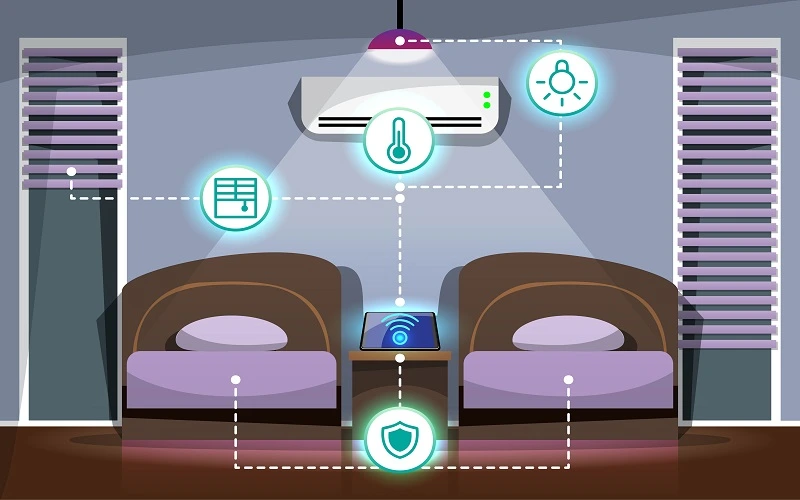
Convenience also matters. Touchscreen controls, automatic scheduling, and smartphone access allow you to manage room settings without constant manual adjustments. Occupancy detection can also help the system respond to changes in room use.
As a result, whole-room oxygenation can become a practical part of a home’s indoor environment. You can enjoy the benefits of mountain living while making your bedroom more comfortable.
Conclusion
High-altitude living offers a wonderful lifestyle, but lower oxygen availability can affect your sleep, energy, and daily comfort.
Oxygenation systems provide a practical way to improve indoor conditions by controlling oxygen levels, monitoring air quality, and managing ventilation. With the right design and safety features, these systems can help create a more comfortable sleeping environment.
They can also make mountain homes more accommodating for residents and visitors who need time to adjust to higher elevations.
Ultimately, understanding how the technology works allows you to make informed decisions about improving indoor comfort and enjoying life at higher elevations.